
3DCeram open-up UK market for Technical Ceramics
3DCeram are looking at the UK market for the next growth phase in their business. As the UK have many specialist Space, Aerospace, Electronics and


Metal Additive Manufacturing has traditionally been associated with high investment costs, complex infrastructure and specialist expertise. For many engineering teams, this has limited metal 3D printing to outsourced services or large-scale production environments.
The introduction of Cold Metal Fusion (CMF) on the Sinterit Lisa X marks a significant shift. By combining a binder-based metal process with a compact SLS platform, engineers can now access metal 3D printing in a more practical, cost-effective and flexible way.
Cold Metal Fusion (CMF) is a binder-based metal additive manufacturing process that differs fundamentally from laser-based metal printing technologies such as L-PBF (laser powder bed fusion).
Instead of fully melting metal powder, CMF uses a metal feedstock combined with a polymer binder. During printing, only the binder is processed, allowing parts to be produced at low temperatures. The printed component, known as a green part, is then:-
The result is a high-performance metal part with mechanical properties comparable to conventionally sintered components.
The Sinterit Lisa X is an “open-source” material SLS platform known for its controlled thermal environment and support-free printing capabilities. These characteristics make it particularly well suited to Cold Metal Fusion.
By qualifying CMF materials for the Lisa X, Sinterit enables engineers to explore metal additive manufacturing without investing in dedicated metal printers.
The Key Advantages include:
For design engineers and R&D teams, this means faster iteration and easier integration into existing development processes.

Cold Metal Fusion on the Sinterit Lisa X follows a structured and engineering-friendly workflow:
This separation of printing and sintering allows engineering teams to focus on design optimisation and functional testing, rather than complex machine operation.
Cold Metal Fusion supports a growing range of engineering-grade metal materials, including stainless steels, nickel-based alloys and titanium variants. Typical applications include:-
For engineers, this enables material-accurate validation earlier in the design cycle, reducing development risk and lead times.

By bringing Cold Metal Fusion to the Sinterit Lisa X, Metal 3D Printing becomes:-
While the technology is still evolving, ongoing qualification and beta programmes are helping refine process stability and design guidelines.
Cold Metal Fusion on the Sinterit Lisa X represents an important step towards democratising metal additive manufacturing. As material options expand and workflows mature, engineers will gain greater freedom to design, test and produce metal components without the barriers traditionally associated with Metal AM.
For engineering teams seeking a practical entry point into metal 3D printing, Cold Metal Fusion offers a compelling balance between performance, cost and accessibility.
This development empowers engineers to prototype, validate and manufacture metal components in-house, accelerating innovation while maintaining cost control and reliability.
3DCeram are looking at the UK market for the next growth phase in their business. As the UK have many specialist Space, Aerospace, Electronics and

INTAMSYS Launches the FUNMAT PRO 310 APOLLO: Redefining Continuous Production with High-Speed, High-Strength PEEK & PAEK 3D Printing Over the past decade, FFF 3D printing
Cold Metal Fusion (CMF) now available on the Sinterit Lisa X – Accessible Metal 3D Printing for Engineers Metal Additive Manufacturing has traditionally been associated
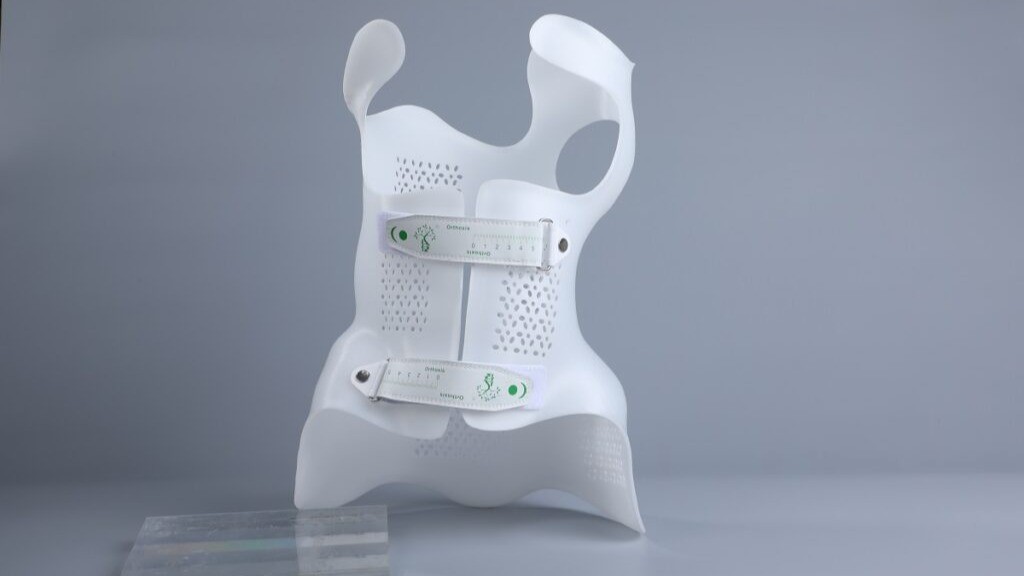
3D Printed Scoliosis Braces Transforming Modern Orthotic Care Scoliosis is a spinal condition defined by an abnormal sideways curvature of the spine, often developing during

Touch™ Haptic Arm is a mid-range, professional haptic device used in research, 3D modelling and OEM applications Touch is a motorized device that applies force